 Sankashti Chaturthi Mandal
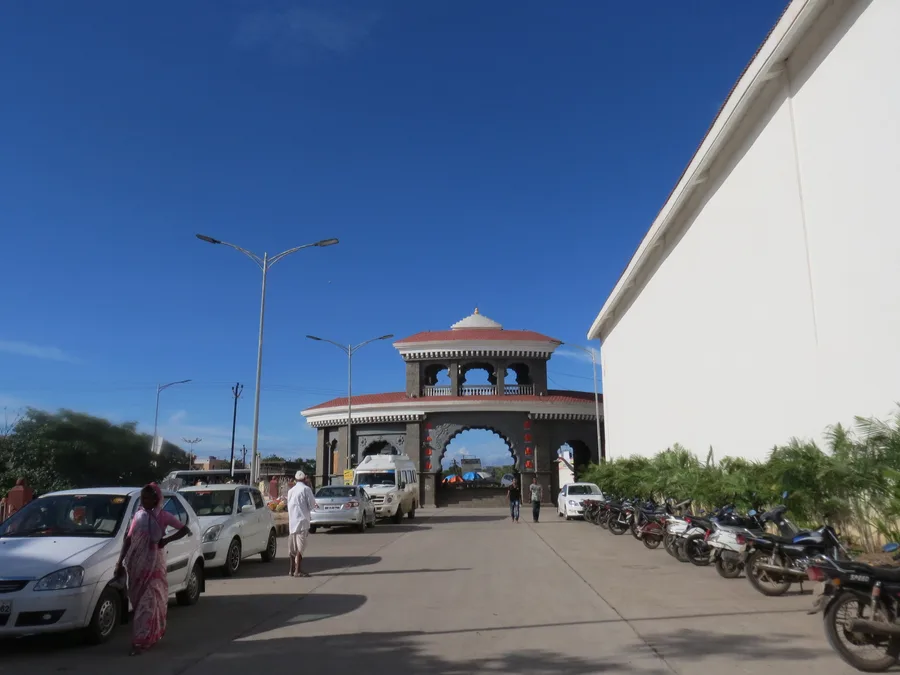 Photo: Booradleyp1 / Wikimedia Commons (CC BY-SA 4.0)
The last of the eight Ashtavinayak temples sits in Ranjangaon, a village along the old route between Pune and Aurangabad. Here, Shree Ganesh is worshipped as Mahaganapati — the Great Ganapati — in the very place where Lord Shiva once turned to him before facing a demon that heaven itself could not defeat.
The Rise of Tripurasura
A demon named Tripurasura, born under unusual and troubling circumstances, grew up learning of Shree Ganesh's greatness even as darker instincts took root within him. As he came into his power, he built three formidable citadels — the Tripura — and was granted a boon of invincibility by Lord Shiva himself. Emboldened by this protection, Tripurasura brought suffering to both the heavens and the earth.
Even Shiva Sought Shree Ganesh First
The gods, desperate, turned to Shiva to end Tripurasura's tyranny. But Shiva, bound by the very boon he had granted, found that he could not defeat the demon outright. It was the sage Narada who offered the crucial counsel: before any undertaking, however great, one must first honor Shree Ganesh. Shiva, accepting this wisdom without hesitation, came to this place and worshipped Mahaganapati.
One Arrow, Three Citadels
With Shree Ganesh's blessing secured, Shiva loosed a single arrow that pierced through all three of Tripurasura's citadels at once, bringing the demon's reign to its end. In gratitude and reverence, Shiva established a temple at the very site of his worship, and the town that grew around it — first called Manipur — is known today as Ranjangaon.
The Completion of the Circuit
That even Shiva, the greatest of ascetics, chose to honor Shree Ganesh before entering his own battle is why Mahaganapati carries such weight among the Ashtavinayak. As the eighth and final stop of the pilgrimage, Ranjangaon closes the circuit with the same truth that Morgaon opened it with: every great undertaking begins with Shree Ganesh.