 Sankashti Chaturthi Mandal
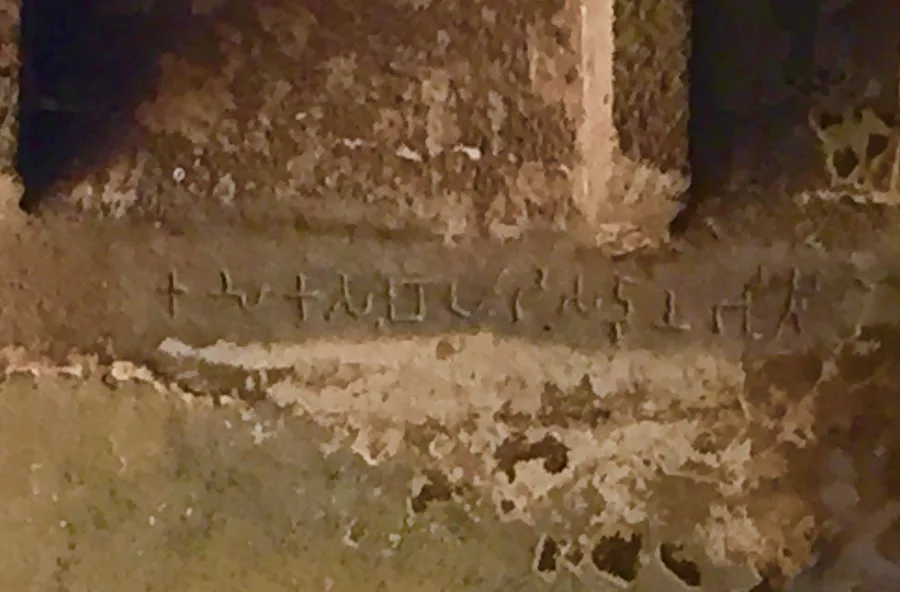 Photo: Ms Sarah Welch / Wikimedia Commons (CC BY-SA 4.0)
Because Shree Ganesh is so closely tied to sound, wisdom, and the written word — most vividly through his service as Vyasa's scribe for the Mahabharata — devotees across generations have naturally come to honor him as the patron of language and learning itself.
The God Who Writes the Epic
His willingness to break his own tusk rather than interrupt the flow of the Mahabharata's composition places Shree Ganesh at the very center of one of civilization's greatest acts of written transmission. It is this act, more than any other, that has made him the deity invoked at the start of study, examinations, and the mastery of new scripts and subjects.
A Patron, Honored Rather Than Assigned
While popular retellings sometimes credit Shree Ganesh directly with devising the earliest scripts of India, this collection holds to what devotional and scholarly tradition can actually support: his role as the ideal, most careful scribe of sacred literature, and the enduring reverence this has earned him as the guardian of learning, rather than a specific claim of invention that cannot be traced to a verified source.
What Devotees Seek
Those beginning to read, write, or master any new form of expression turn to Shree Ganesh in this role — not as the inventor of the alphabet, but as the deity whose own hand once carried the world's greatest epic into permanent form.