 Sankashti Chaturthi Mandal
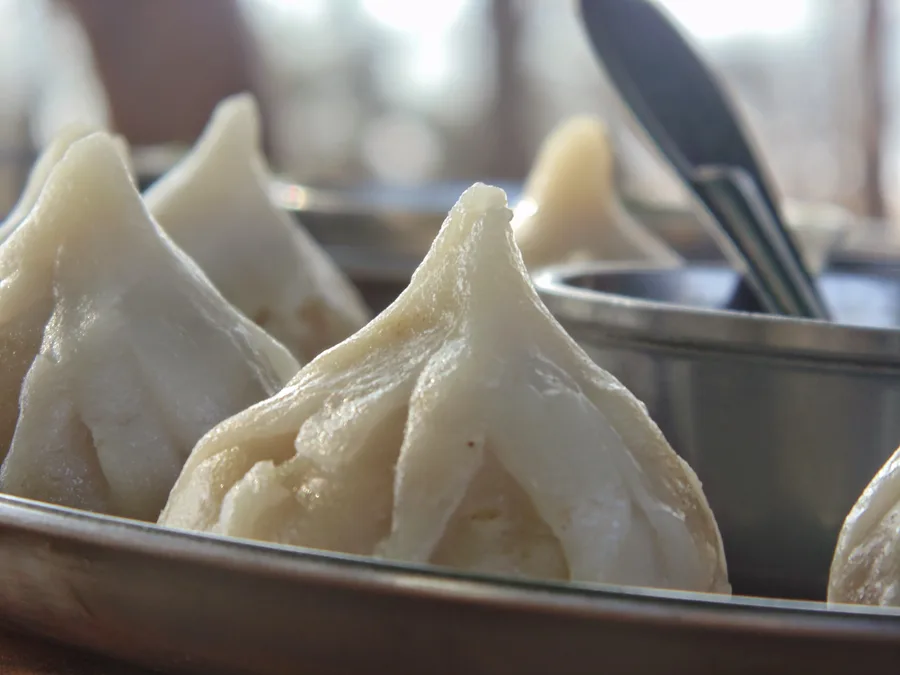 Photo: ShwetaChopdar / Wikimedia Commons (CC BY-SA 4.0)
No image of Shree Ganesh is more familiar than the sweet modak cradled in his hand or trunk. Loved simply as his favorite treat, the modak carries, for devotees who look closer, a teaching about the very nature of liberation.
A Sweetness Wrapped in Effort
A modak is made in layers: a rice-flour shell, carefully steamed, wrapped around a filling of jaggery and coconut, sweet beyond the effort it took to prepare. Devotees see in this structure a picture of moksha, ultimate liberation — a bliss that is real and waiting, but reached only by patiently working through the discipline of the outer shell, whether that shell is ritual practice, ethical restraint, or simple perseverance.
The Word Itself
The very name "modak" is linked by tradition to "moda," joy, and by extension to moksha, release. To offer Shree Ganesh a modak is therefore also, symbolically, to ask him for the deeper sweetness that lies past the effort of the spiritual path — not sweetness instead of discipline, but discipline that ripens into sweetness.
What Devotees Seek
Devotees in the midst of a difficult but worthwhile practice — a fast, a vow, a long-held discipline — look to the modak in Shree Ganesh's hand as a promise that the sweetness at the center is real, and that it is already close at hand.