 Sankashti Chaturthi Mandal
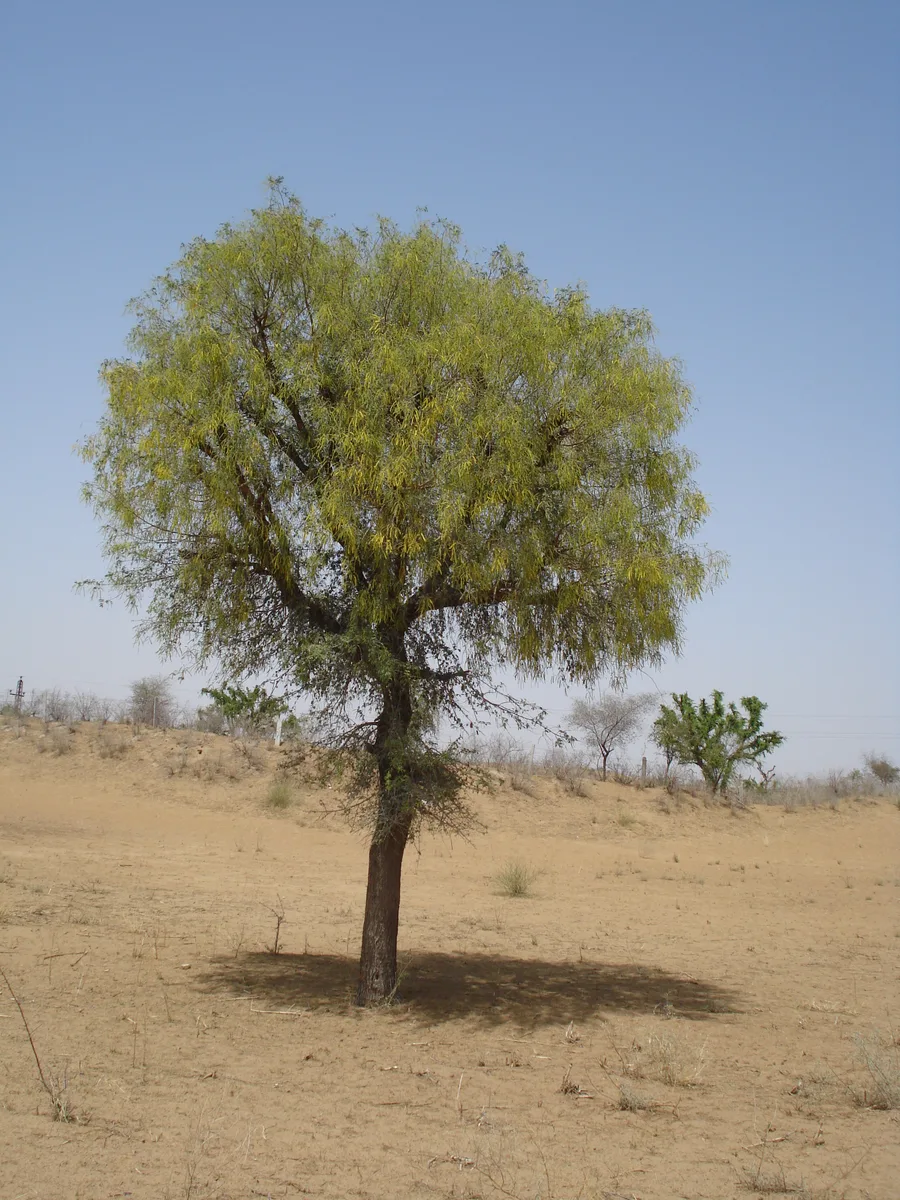 Photo: LRBurdak / Wikimedia Commons (CC BY-SA 4.0)
Among the twenty-one sacred leaves offered to Shree Ganesh in the traditional Ekvishati Patra Puja, the Shami leaf holds a distinctive place — one that calls for some care in how its story is told.
Separating Two Traditions
A well-known story tells of the Pandava brothers hiding their weapons within a Shami tree during their year of concealed exile, later described in the Mahabharata — a story that belongs properly to their account, not to Shree Ganesh's own life. It is worth being precise about this distinction, so that one sacred tradition is not mistaken for another.
The Shami Leaf's True Place in Worship
What is firmly and directly established is the Shami leaf's inclusion among the twenty-one sacred leaves offered to Shree Ganesh during his worship, alongside Durva grass and other plants regarded as pure and pleasing to him. Its place in the puja is not borrowed from another deity's story, but rooted in its own long-standing role in devotional ritual.
What Devotees Seek
Devotees offering the Shami leaf during Shree Ganesh's puja do so as part of the wider tradition of the twenty-one leaves, asking his blessing through this specific, time-honored act of worship.