 Sankashti Chaturthi Mandal
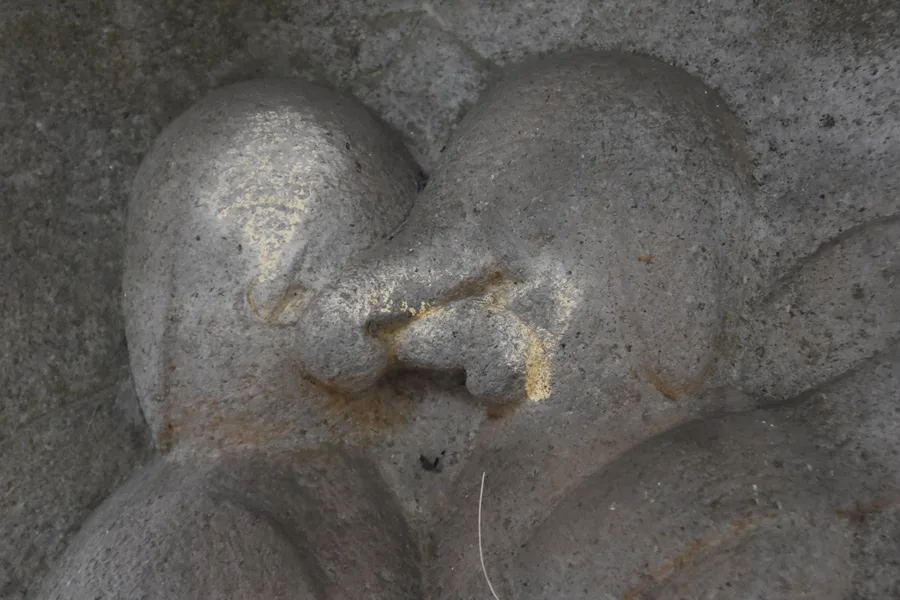 Photo: Fred Cherrygarden / Wikimedia Commons (CC BY-SA 4.0)
Within Japanese Shingon Buddhism, Shree Ganesh is known as Kangiten, and one of his most striking depictions shows him not as a single figure but as two elephant-headed forms locked in a close embrace.
A Symbol of Union
This Dual, or Soshin, Kangiten emerged in Japanese religious art during the Heian period, its two embracing figures read as a symbol of the resolution of duality — the joining of opposing forces into a single, harmonious whole, echoing themes of balance found throughout Shree Ganesh's own broader tradition.
A Deeply Esoteric Image
Unlike the more public, widely displayed forms of Ganesha found across India, the Dual Kangiten is treated with particular secrecy within Shingon practice, its image reserved for initiated practitioners and rarely shown openly, reflecting the deeply esoteric character this branch of Buddhism gives to his worship.
What This Form Reveals
However far his image traveled from India, this striking Japanese form still carries a recognizable thread of his essential character — the bringing together of what seems opposed into a single source of blessing and joy.