 Sankashti Chaturthi Mandal
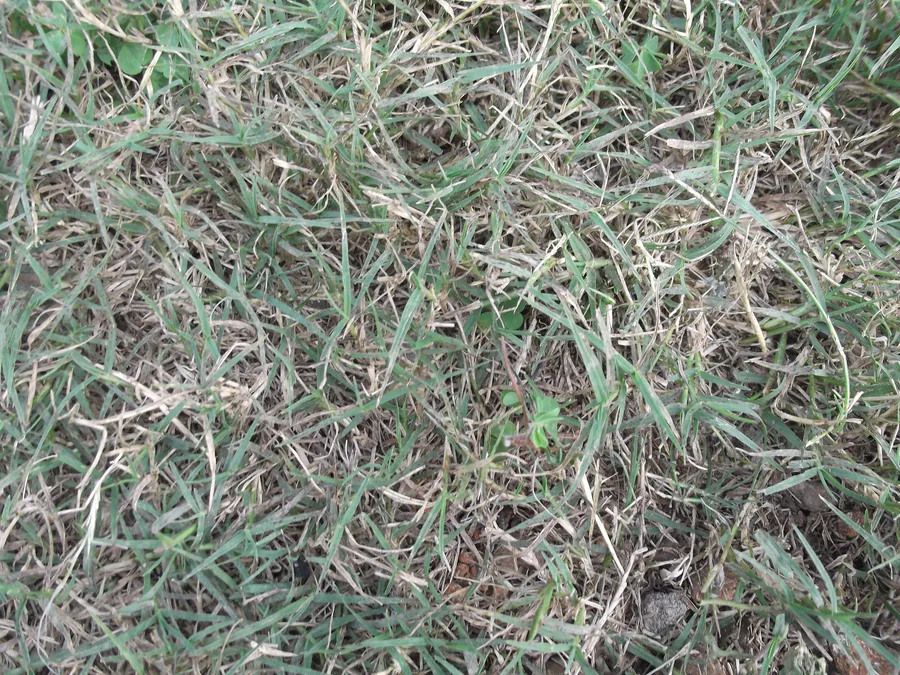 Photo: Yercaud-elango / Wikimedia Commons (CC BY-SA 4.0)
Having swallowed Analasura's devastating fire, Shree Ganesh was left with an internal heat so intense that it required a specific, deliberate remedy — the offering of twenty-one blades of Durva grass, prized for their cooling, soothing properties.
A Remedy Matched to the Need
Where this collection has elsewhere described the twenty-one Durva blades as a simple, humble offering rooted in devotional custom, the Padma Purana's account gives this same practice a specific origin: a genuine cooling remedy, offered to soothe the very real heat left behind by swallowing Analasura's fire.
Botanical Wisdom Woven Into Worship
Durva grass has long been valued in Indian tradition for its cooling qualities, and this story roots that practical, botanical understanding directly into Shree Ganesh's own sacred history, joining physical remedy and devotional offering into a single, coherent practice.
What Devotees Seek
Devotees offering Durva grass today carry forward both threads of this tradition at once — a gesture of humble devotion, and, in this fuller telling, a genuine act of cooling comfort extended to the deity who once bore the universe's fire so that it would not consume the world.